
What Vitamins and Dietary Supplements Does the Body Most Often Lack in Autumn and Why?
Article author: Lenka Škachová, Scientific product specialist, WeCare
Date: September 11, 2026
Autumn has its charm. Colorful leaves, warm teas, a return to a more regular routine. But along with that often come less daylight, colder weather, more time indoors and a faster work pace. And suddenly we feel like we would rather sleep an hour longer, our energy runs out in the afternoon and the first coughs start to appear around us.
That is when we often start asking, what vitamins for autumn? And whether it even makes sense to supplement anything. The answer is not in a single capsule. Vitamins, a quality diet, enough sleep, movement, daylight and a reasonable work rhythm work best together. Dietary supplements can be practical support when we do not get enough of certain nutrients over the long term or when it is more difficult to cover them through food alone due to lifestyle.
In autumn, several things change at the same time. The days get shorter, we wake up in the dark in the morning, we get tired earlier in the evening and after the holidays we return to a full work routine. We spend more time in enclosed spaces with other people, so we are more likely to come into contact with respiratory viruses. Autumn colds are therefore not caused by the cold itself, but rather by a combination of environment, contact with infections, sleep, stress and the overall condition of the body.
Vitamins in autumn are therefore not a magical shield against every germ. However, they can help cover the body’s needs where diet or the season has its limits. And that is exactly what we will look at today.
How to best boost energy and immunity in autumn?
When energy drops, we naturally tend to look for a quick solution. More coffee, a sweet afternoon boost or new dietary supplements. But sometimes the body does not need another “kick”, but rather to slow down. For many people, autumn means a return to a full calendar, shorter days and less time outdoors. If stress and several shorter nights in a row are added to that, feeling tired and exhausted in autumn is not surprising.
The foundation therefore remains routine. Try to go to bed and wake up at approximately the same time, get outside at least briefly in daylight every day and move regularly. It does not have to be intense training. A brisk walk, walking home from work or a short stretch during the day can be much more beneficial for energy than another cup of coffee late in the afternoon.
.jpg)
Food and drinking regime are equally important. Each main meal should contain a source of protein, vegetables or fruit, quality fats and, as needed, complex carbohydrates. In colder months, warm soups, legumes, eggs, fish, fermented dairy products, whole grains, nuts and seeds are suitable. And do not forget to drink – thirst is less noticeable in autumn than in summer, but even mild dehydration can worsen concentration and the feeling of energy.
And what vitamins for autumn? Vitamin D, vitamin C and minerals such as zinc are mentioned most often. Not because they would automatically prevent every illness, but because they have clearly defined functions in the body. Vitamin D contributes to the normal function of the immune system and to the health of bones and muscles, vitamin C contributes to the normal function of immunity and helps reduce the level of fatigue and exhaustion, and zinc contributes to the normal function of the immune system and the protection of cells from oxidative stress.
If you have a varied diet, sleep well and feel good, there is no need to mindlessly add many different preparations. Dietary supplements make the most sense as supplementation, not as a replacement for a healthy routine.
What are the best foods for strengthening your immunity?
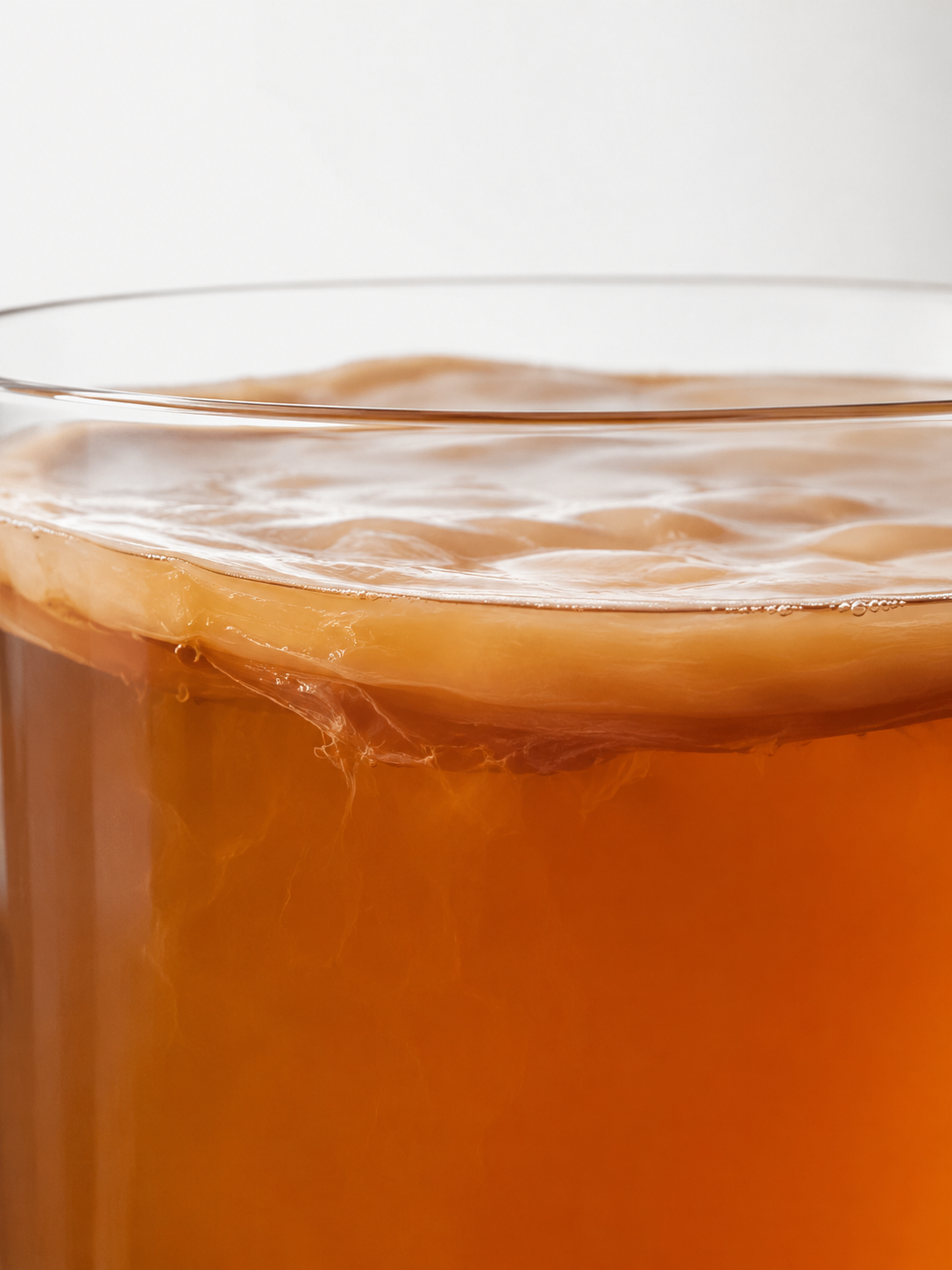
The immune system does not need one miraculous ingredient. It needs a regular supply of energy, protein, fiber, vitamins, minerals and other bioactive substances. The more varied the diet, the better. You can get vitamins, for example, from citrus fruits, peppers, broccoli, berries, leafy greens, eggs, fish or quality dairy products.
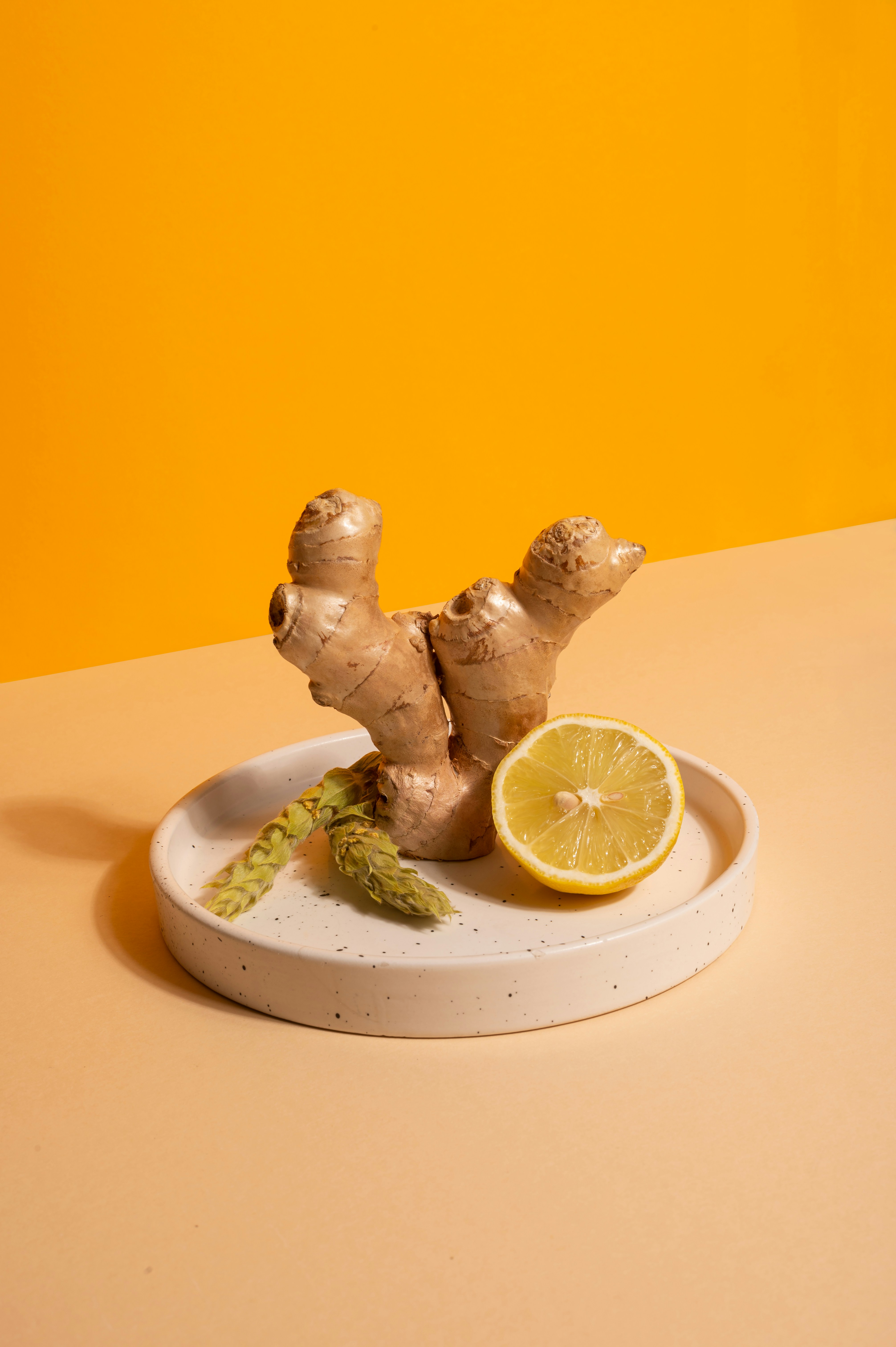
You can also include sea buckthorn in your autumn diet, as it is naturally rich in vitamin C and other plant compounds. Turmeric is suitable for soups, legume dishes or warm drinks, and ginger for tea, broth or Asian-inspired dishes. Echinacea is most commonly used as a herbal extract or tea.
Fermented foods and natural probiotics also deserve a lot of attention – for example kefir, plain yogurt with live cultures, sauerkraut, kimchi or other fermented vegetables. The gut microbiome is part of the broader functioning of the body and benefits above all from a long-term varied diet with enough fiber.
If you are looking for more comprehensive support during a demanding period, the drink about your IMMUNITY combines several vitamins, minerals and plant extracts in one product. Here, too, the same rule applies: supplementation should complement the diet and routine, not replace them.
What helps against autumn fatigue and autumn depression?
Maybe you know the feeling: in the morning you do not want to get out of bed, after lunch it is harder to concentrate, in the evening you would rather cancel all plans and motivation is somewhere near freezing point. Typical symptoms of autumn fatigue include greater sleepiness, poorer concentration, lower motivation or an increased need for rest. On their own, however, they do not yet mean that the body is automatically lacking a specific vitamin.
Feeling tired and exhausted in autumn may be related to shorter daylight hours, a change in the natural daily rhythm, lack of sleep, a return to a more demanding work routine and greater mental strain. Symptoms of autumn fatigue therefore usually do not have a single cause, but arise from a combination of several influences that often come together during this period.
Seemingly simple things can help: regular sleep, time outdoors in daylight, natural movement and eating at regular intervals. If possible, plan the most demanding work for the part of the day when you usually have the most energy, and gradually slow down the pace in the evening. The body has its own rhythm and on some days simply needs more time for regeneration.
.jpg)
A smaller amount of light and a change in routine may also be linked to a worse mood. So-called autumn depression is a fairly common term in everyday language for a period when we feel more tired, less motivated or have a greater need to be calm and stay at home. To some extent, it may be a normal reaction of the body to shorter days, less light and a change of pace. However, even autumn depression may look a little different for everyone, so it makes sense to mainly monitor how long the difficulties last and how significantly they affect everyday life. If low mood, a significant loss of energy or loss of interest in ordinary activities persist intensely for several weeks, it is advisable to contact a specialist.
Why do we need vitamin D specifically in autumn and how does its deficiency show?
Vitamin D is specific in that the body can produce it in the skin through exposure to UVB radiation. As soon as the days get shorter in autumn, sunlight decreases and we spend more time indoors, its natural production decreases. This is why vitamin D in autumn and winter is such a frequently discussed topic. In the body, it plays an important role in calcium metabolism, bone and muscle health and also contributes to the normal function of the immune system.
Possible symptoms of vitamin D deficiency may include, for example, fatigue, muscle weakness, poorer recovery or mood changes. However, these manifestations are quite general and can have a wide range of other causes; after consultation with a doctor, only a blood test can reliably show its deficiency.
The topic of vitamin D and hair loss in autumn is also often discussed. Some studies find a connection between low vitamin D levels and certain types of hair loss. However, this does not mean that every seasonal hair shedding is caused by its deficiency. Hair can also react to stress, hormonal changes, previous illness, nutrition or the natural hair cycle. If hair loss is significant or long-term, it is better to look for the cause in a targeted way.
And why is the combination of vitamin D and K2 discussed so often? Both vitamins are fat-soluble and both are related to bone health, although each works in the body in a slightly different way. At WeCare, vitamin D and K2 are combined in the product about your HEALTH: Vitamin D3+K2, which contains vitamin D3, K2 in the form of MK-7 and MCT oil as a carrier for fat-soluble vitamins. This combination therefore represents a practical option for everyday supplementation. However, people who take medication affecting blood clotting should always consult a doctor about taking vitamin K.
If you are interested in the topic, also read the article with MUDr. Martin Palička on the topic Vitamin D: why it is key for our immunity especially in winter.
Why are vitamin C and zinc important and when is it necessary to take them?
Vitamin C is one of the nutrients that the human body cannot produce on its own, so we must take it in through food. We find it in fruit and vegetables, for example peppers, citrus fruits, kiwi, broccoli or strawberries. Vitamin C contributes to the normal function of the immune system, helps protect cells from oxidative stress and helps reduce the level of fatigue and exhaustion.
Zinc is a mineral needed for a number of cellular processes and also contributes to the normal function of the immune system. Its sources include, for example, meat, eggs, dairy products, legumes, nuts and seeds. Zinc often appears in products focused on immunity together with vitamin C, because their functions in the body complement each other in some areas. However, this does not mean that a higher dose is automatically better – long-term excessive zinc intake can, on the contrary, be problematic.
If your diet has long been poor in fruit and vegetables or you are going through a period of higher physical or mental strain, targeted supplementation may make sense. But vitamin C is still only one part of the whole, and zinc also does not replace sleep, a varied diet or regeneration.
And what about liposomal vitamin C? It is a form in which vitamin C is enclosed in tiny lipid particles. The aim of this technology is to support its stability and bioavailability - meaning that the body processes and uses it better than other forms. WeCare about your HEALTH: Vitamin C Complex combines liposomal vitamin C with natural sources such as acerola and with plant extracts. Liposomal vitamin C can be a practical choice for those who want to supplement vitamin C in capsules, but it still applies that the foundation should be a varied diet.
If you want to approach the topic of immunity even more comprehensively, also take a look at the article 5 tips on how to strengthen immunity or the interview Loono × WeCare: Immunity without shortcuts.
In conclusion, it is good to remember one thing: autumn is the time when it is worth adjusting the pace and paying more attention to what often came naturally to us during the summer – light, movement, sleep, regular meals and rest. Vitamins can be a useful part of this routine, and dietary supplements can help when the body has a specific need. But they bring the best results only in combination with what we do every day.
If fatigue, mood changes or other difficulties persist, worsen or significantly interfere with everyday functioning, it is advisable not to rely only on supplementation and to discuss them with a doctor.