
How Does the Menstrual Cycle Affect Your Mood, Energy and Skin?
Article author: Lenka Škachová, Scientific product specialist, WeCare
Date: August 26, 2026
The female body is not static and does not function exactly the same every day of the month. Throughout the entire month, a dynamic process takes place in it, during which levels of sex hormones, especially estrogen and progesterone, constantly fluctuate. The entire menstrual cycle therefore represents a period when our body naturally requires a completely different approach and specific care depending on what is currently happening inside it.
- Menstrual phase: The cycle begins with bleeding itself. Estrogen and progesterone levels are at their lowest. The body is cleansing itself, losing energy, and due to the lack of hormonal support, the skin is often dull, sensitive and drier. It is a time for maximum calming.
- Follicular phase: This is followed by a period of preparation. Estrogen levels begin to rise, giving us a huge amount of energy and sharpening the mind. Estrogen also works closely with serotonin (the happiness hormone), which gives us a great mood. Our skin also benefits from this rise – collagen and hyaluronic acid production are supported, so the face gains elasticity.
- Ovulatory phase: Around the middle of the month, the egg is released. Estrogen is at its maximum. We feel confident, sociable and have the most energy of the entire cycle. The skin is usually at its most radiant and most hydrated during this phase.
- Luteal phase: After ovulation, progesterone takes over and acts more like a brake. Its biological task is to calm the body, which often manifests as physical fatigue, an overall drop in energy and the need to withdraw inward. Progesterone also stimulates the sebaceous glands. When we add a sharp drop in both hormones at the end of this phase, the skin loses its protection, becomes oilier, pores get clogged and acne appears.
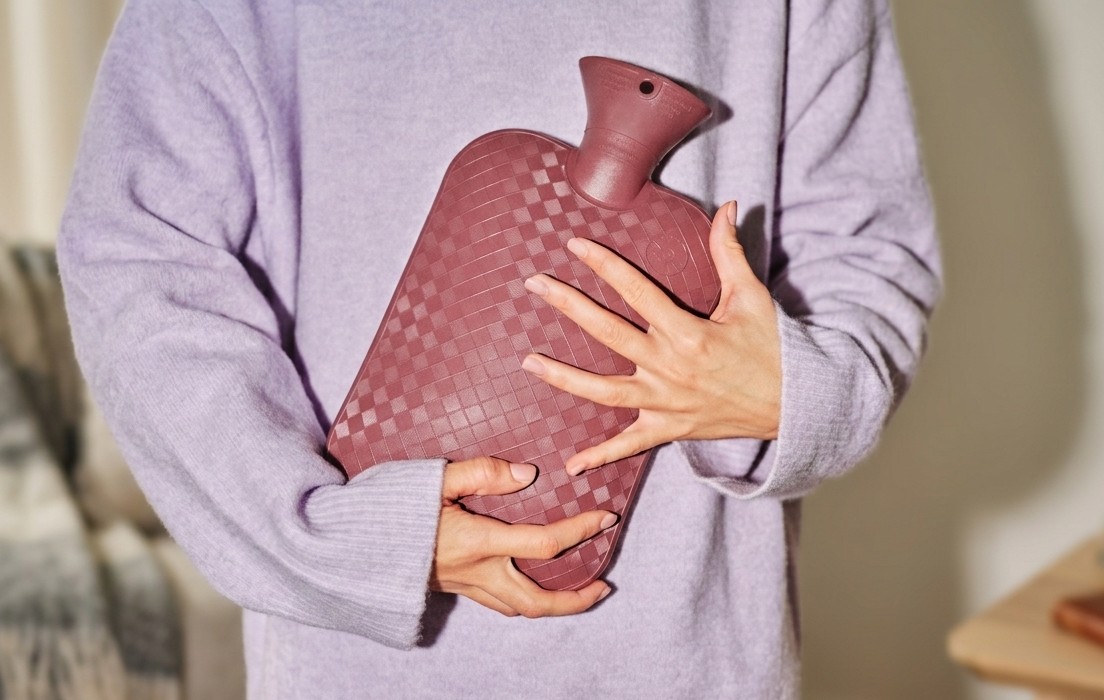
The fluctuation of hormone levels that characterizes the individual phases of menstruation therefore has an enormous and often underestimated influence on our mental well-being, overall energy levels, food cravings and the appearance of the skin. To feel good, prevent chronic exhaustion and manage everyday stress with perspective, overall hormonal balance is key. It helps the body transition smoothly from one phase to the next without exhausting fluctuations.
Discover our tips on how to maintain energy and a good mood during menstruation
Menstruation itself can be very energy-demanding for the body, but the right and conscious approach can significantly reduce fatigue and irritability. The foundation for maintaining a good mood during this period is, above all, enough quality sleep, targeted rest and a balanced diet. Healthy interpersonal relationships, active stress reduction and the ability not to take possible conflicts with those around you too personally also play a huge role.
Many women ask in connection with irritability, mood swings and overall discomfort what PMS is (premenstrual syndrome) and why it causes such emotional storms in the body. It is a set of physical and psychological symptoms that usually appear one to two weeks before the bleeding itself begins. If you feel strong discomfort, enormous stress or tearfulness, it is a clear signal from the body to slow down. To maintain a good mood and reduce tension, increase your magnesium intake. A great helper is about your HEALTH - Magnesium complex, which combines magnesium from 3 sources. Also find time to relax, delegate responsibilities and, above all, do not place excessive demands on yourself.
How to eat and drink during the individual phases of the menstrual cycle and why?
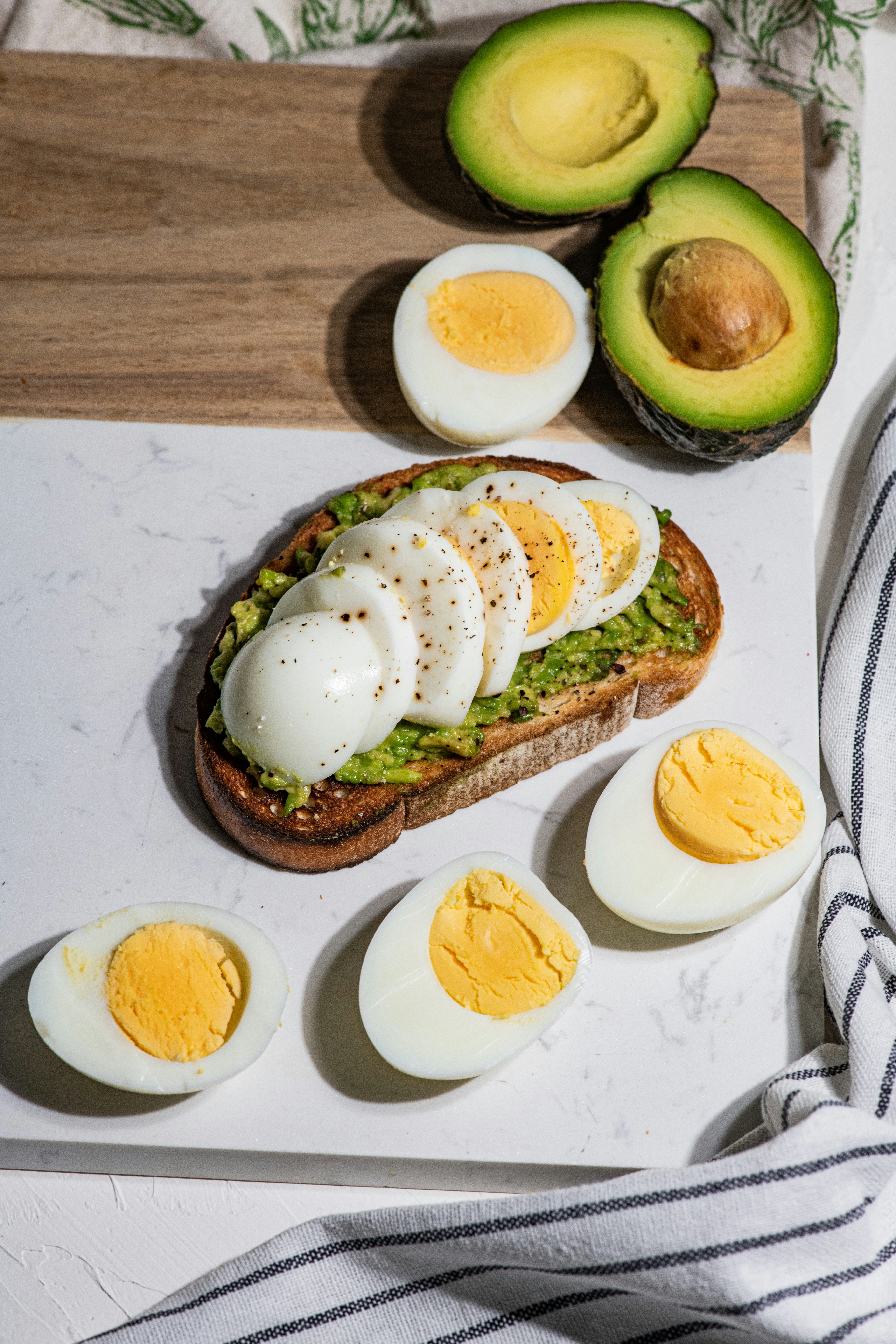
Your diet should not be monotonous throughout the whole month. To achieve optimal energy, it is good to know what to eat and drink in the individual phases of the cycle.
- During menstruation, the body loses blood and with it important iron. Therefore, focus on dark leafy greens, red meat, legumes and foods rich in vitamin C, which effectively supports iron absorption.
- In the following follicular phase, the body prepares for ovulation. It will appreciate lighter foods, fresh vegetables, oatmeal and fermented foods to gain new and fresh energy.
- Around ovulation, it is suitable to add complex carbohydrates and antioxidants, because your energy is usually at its absolute peak and your metabolism is running at full speed.
- By contrast, in the luteal phase, when the body is preparing for the next cycle and we often unpleasantly feel firsthand what PMS is, cravings for sweet, salty and fatty foods naturally increase. Healthy fats (avocado, nuts, seeds), which keep you full, and warm, long-simmered broths can help here.
Also make sure you maintain a constant and sufficient drinking regime, ideally in the form of pure water and herbal teas. For long-term health and calming emotional fluctuations, stable hormonal balance is absolutely essential. You can support it not only with a suitable diet, but also with targeted vitamins and dietary supplements – for example zinc, magnesium or B vitamins, which support the nervous system.
Exercise during menstruation: how to exercise during the cycle?
And how should you approach sport and physical activity when menstruation is currently taking place? It all depends on how you feel on a given day. Our menstrual cycle fundamentally affects our endurance, strength and even the desire to do sport itself.
In the follicular phase and especially around ovulation, thanks to higher levels of estrogen and testosterone, women tend to have the highest performance, enormous physical strength and a desire to break sports records. During this time, the body regenerates better, is more resistant to pain and builds muscle mass more efficiently, so there is no need to be afraid of heavier weights at the gym, dynamic HIIT workouts or intense cardio.
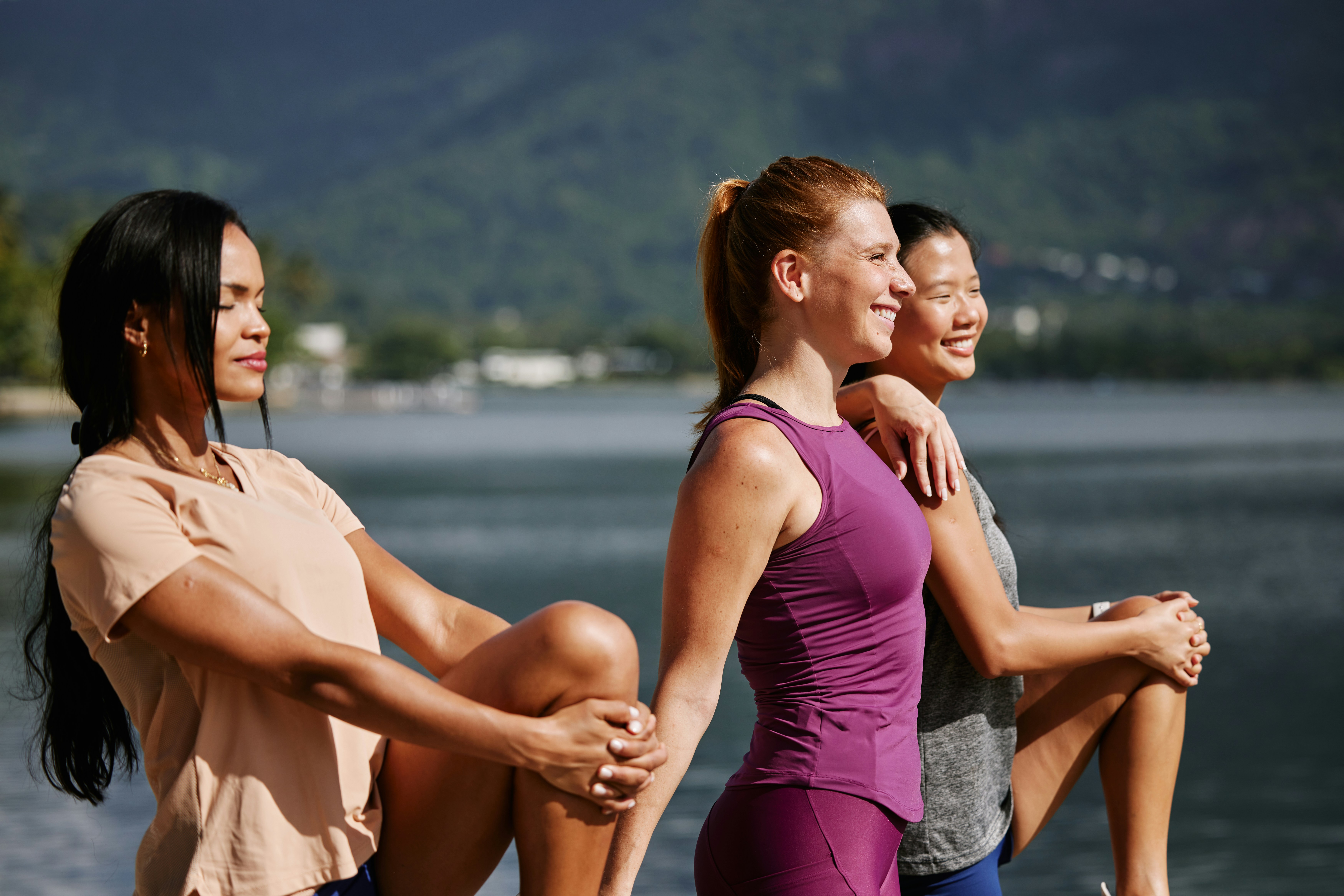
Once you move into the luteal phase (before menstruation), progesterone starts to dominate. Your basal temperature and heart rate rise slightly, which means you start sweating sooner and the same workout may cost you much more effort. During the bleeding itself, performance naturally drops to a minimum, because the body uses energy for the ongoing processes in the uterus. It is not necessary to completely skip sport on these days, but dynamic or heavy strength workouts should rather be exchanged for yoga, pilates, gentle stretching or light walking in nature. This will support blood flow to the pelvis, which may relieve cramps. However, if you feel very tired, remember that it is much healthier and more beneficial to prescribe yourself proper rest on the couch instead of demanding sport.
How to care for your skin during the menstrual cycle?
Your face is a direct mirror of hormonal changes, and therefore skin care should also change smartly throughout the entire month. In the first half of the cycle, thanks to the dominance of estrogen, the skin tends to be radiant, clear, elastic and naturally hydrated. Here, it is enough to maintain your standard routine.
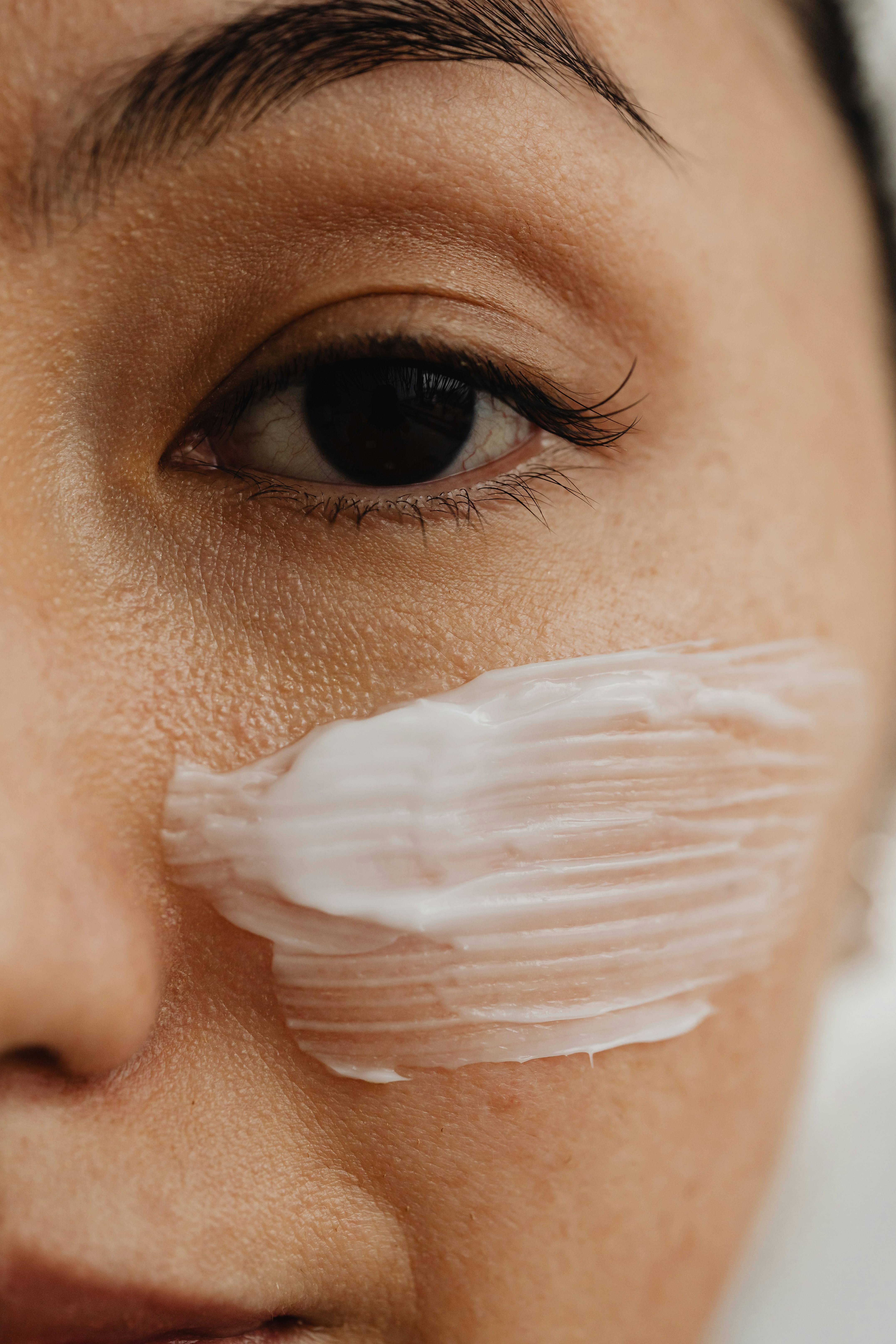
The turning point comes after ovulation. As the end of the cycle approaches (the luteal phase), progesterone levels rise, which in many women stimulates increased production of thicker sebum. This sebum easily mixes with dead cells, and the result can be unpleasantly clogged pores, local inflammation and acne on the chin or jawline.
In this “crisis” period, skin care should focus primarily on thorough but very gentle cleansing without heavy, rich creams. Instead of mechanical exfoliants, which can spread inflammation, choose gentle cleansing gels. The entire menstrual cycle therefore requires your attention in the bathroom too – from intense hydration and the delivery of vitamins (e.g. a serum with vitamin C) at the beginning of the month, to inflammation prevention, overall calming and careful deep cleansing at its end. You can also wonderfully support skin care from within during this unpredictable period with the drink about your BEAUTY, which provides the skin with the necessary nourishment regardless of which phase of the cycle is currently taking place.
What helps with menstrual pain?
For a large number of women, painful menstruation is unfortunately a regular and exhausting reality. These are cramps in the lower abdomen, often radiating to the lower back or thighs, caused by intense uterine contractions. Mild discomfort in the first days of bleeding is normal and almost every woman experiences it. However, if painful menstruation paralyzes you so much that you cannot function normally, go to work, or is accompanied by severe vomiting or fainting, it is no longer a common symptom and it is appropriate to seek medical attention (it may, for example, be a sign of endometriosis).
What helps with common cramps and pain? Dry heat (for example a hot water bottle on the abdomen), herbal teas (lady’s mantle or raspberry leaf) and gentle, undemanding stretching work reliably. The foundation, however, is once again inner calm, which is closely connected to the smoother course of each phase of menstruation.
In the long term, overall hormonal balance is the most important. For comprehensive support of the body during these demanding days, we recommend exploring our supplement about your PERIOD is specially designed to provide missing nutrients and help you get through this specific period with much greater ease and a smile.