
Ing. Bohumila Zimáková, Ph.D. Advises: How to Balance Movement, Rhythm and Rest in Summer
Article author: Slavomíra Barnová, Marketing consultant, WeCare
Expert collaboration and comments: Ing. Bohumila Zimáková, Ph.D., Scientific Product Development & Regulatory Specialist, WeCare
Date: August 13, 2026
Summer naturally draws us outdoors, to travel, longer evenings and more active days. At the same time, however, it brings conditions the body has to respond to: high temperatures, air conditioning, a change of environment, irregular meals and later falling asleep. Movement, rest and daily routine are not separate worlds. They influence one another and together determine how much energy we have, how well we sleep and how quickly we recover after exertion.
The good news is that a healthy routine does not have to look the same during the holidays as it does during the working year. We do not have to follow every detail of it. What matters is maintaining a few fixed points that help the body orient itself, and adapting the rest to the weather, travel and current condition.
“In summer, we often do not need more discipline, but a smarter adjustment of our routine. In the heat, the body has to work harder to cool itself, while longer days and evening light can shift the time when it starts preparing for sleep. The foundation is therefore regularity in a few simple habits, not a perfect plan,” adds Ing. Bohumila Zimáková, Ph.D.
What is the body’s circadian rhythm and what controls it in summer?
Circadian rhythm is an approximately twenty-four-hour internal system that helps regulate sleep and wakefulness, body temperature, hormonal processes, digestion and fluctuations in performance throughout the day. The strongest signal is light. Morning daylight tells the body that the active part of the day is beginning, while dusk and darkness support the transition into evening calm. Regular meal times, physical activity and ambient temperature also play a role.
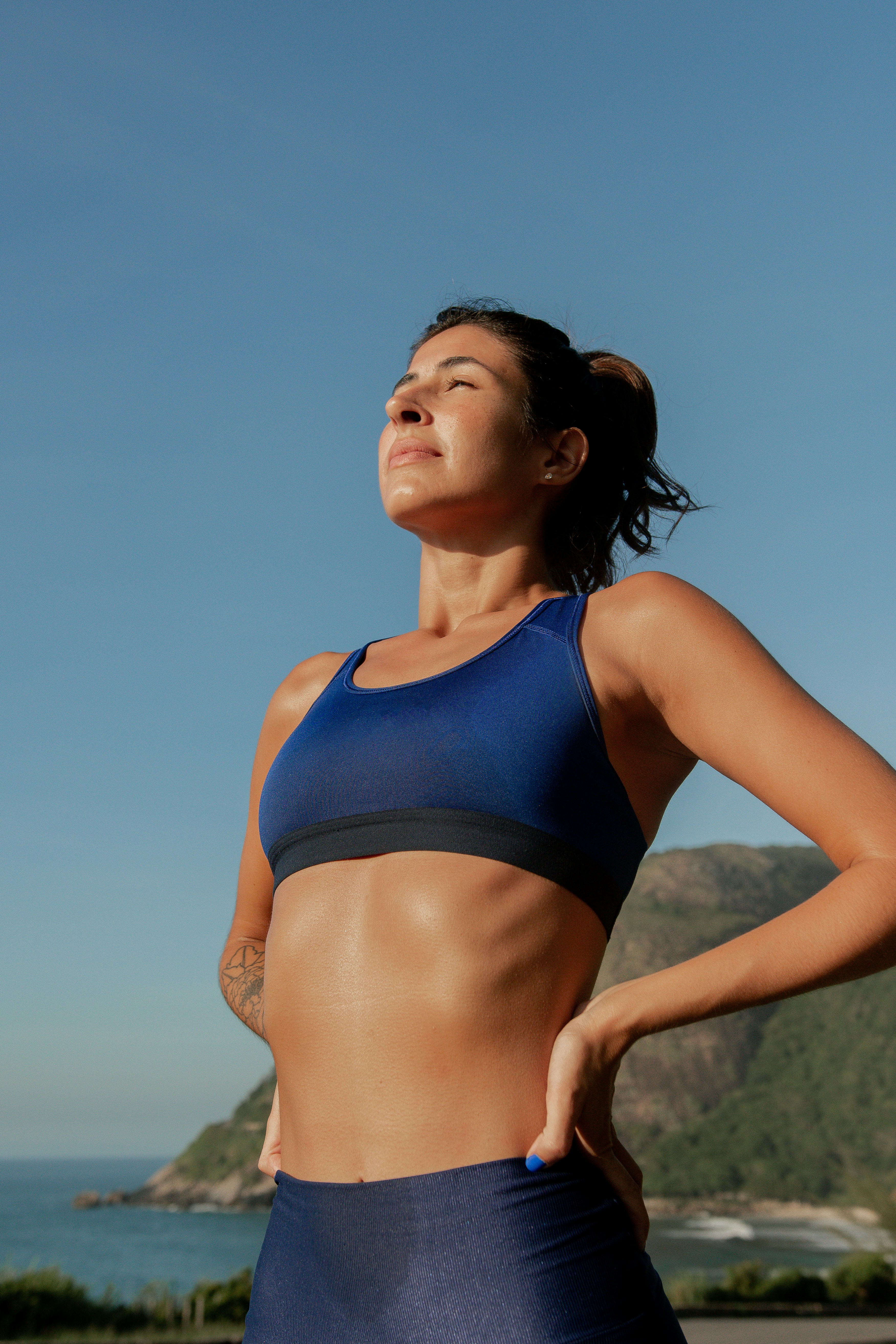
In summer, the timing of sleep and wakefulness can shift. The sun sets later, we spend evenings outdoors, on holiday we change our schedule and sometimes even the time zone. Screens, illuminated terraces and irregular wake-up times are added to this. The biological rhythm then receives less clear signals, we sleep longer in the morning, stay in the light longer in the evening and eat at different times than usual.
This does not mean that every change in routine is automatically harmful. The problem arises rather when the individual signals diverge over the long term. The biological rhythm likes predictability. Even when travelling, it therefore helps to wake up at a similar time, go out into daylight after waking up and gradually dim the lighting in the evening.
“Morning light is one of the strongest reference points of the day. When we expose ourselves to natural light after waking up and at the same time keep approximately the same wake-up time, we help the body stabilize its biological rhythm even during a period when other habits are changing,” mentions Ing. Bohumila Zimáková, Ph.D.
Movement in summer: how does heat affect performance and recovery?
Heat is generated during physical activity. The body gets rid of it mainly by sweating and increasing blood flow toward the skin. In a warm and humid environment, cooling is more demanding, the heart has to work more intensively and the same workout may feel harder than in mild weather. With sweat, the body loses water and electrolytes, especially sodium and chlorides. During longer or repeated exertion, potassium and magnesium may also be important. The level of loss is individual and depends on the duration and intensity of the activity, the surrounding temperature and the amount of sweat.
Movement in heat is therefore not the right moment for recklessly breaking personal records. It is usually safer to move activity to the early morning or later evening, reduce intensity, extend breaks and gradually get used to the heat. The American CDC recommends limiting outdoor activity in the middle of the day on hot days, starting more slowly and drinking before significant thirst appears. Therefore, if weakness, dizziness, nausea, headache or feeling faint appears during or after activity, stop the activity, move to a cooler environment and start cooling down. Confusion, impaired coordination or loss of consciousness are alarming symptoms requiring immediate help.
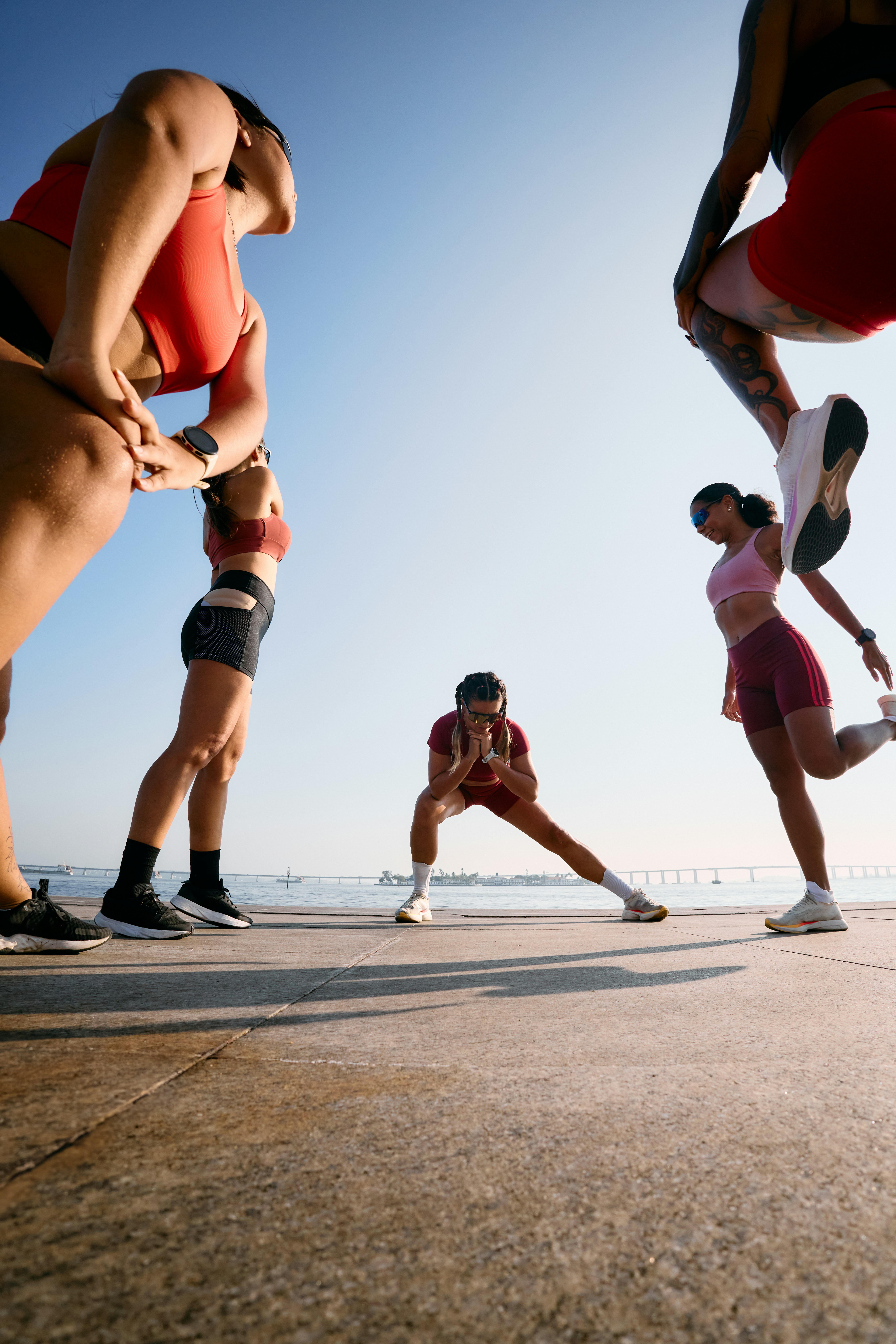
Perceived exertion provides a good guide. A pace that is normally pleasant may be excessive during hot weather. Movement in heat should be adapted not only to temperature, but also to humidity, direct sun, the length of the activity, sleep from the previous night and one’s own health condition.
Recovery begins already during performance. It includes replenishing fluids, reasonable distribution of energy and cooling down after activity. If we cannot calm down for a long time after exercise, have a headache, are unusually tired or have dark urine, it may be a signal that the load was too high for the conditions. Ease up.
“When moving in the heat, do not follow only the planned pace. Monitor your breathing, heart rate, perceived exertion and ability to concentrate. Movement in heat should be flexible: sometimes the right workout is a brisk walk, mobility work or a shorter exercise session in the shade,” points out Ing. Bohumila Zimáková, Ph.D.
Which vitamins and minerals does your body need most in summer?
First and foremost, think about enough fluids and a varied diet. When we sweat more significantly, we lose primarily sodium and chlorides in addition to water. Sodium is commonly replenished through food, for example broth or a suitably salty dish. Potassium can be found in potatoes, legumes, apricots, bananas or vegetables. Magnesium is contained, for example, in nuts, seeds, whole grains and leafy greens.
Vitamins and minerals are ideally obtained primarily from a quality and varied diet rich in fruit, vegetables and natural sources of nutrients. In a normal summer routine, a well-set diet can often cover most of the body’s needs.
At the same time, however, during periods of increased physical strain, intense sweating, sport, travel or hot days, the body’s needs may be higher than diet alone can cover. In such situations, dietary supplements can be a practical and targeted way to support mineral balance and overall recovery.
“Supplementation makes sense when it responds to a specific need, not merely to the fact that it is summer. On a normal day, a regular drinking regime and a varied diet are usually enough. Properly chosen supplementation can help balance the body’s increased demands, especially in active people or during long-term exertion,” points out Ing. Bohumila Zimáková, Ph.D.
For targeted supplementation, you can explore the category of vitamins and minerals or specifically the product about your HEALTH - Magnesium Complex. Magnesium contributes to electrolyte balance, normal muscle function and the reduction of fatigue and exhaustion. Always take into account your total intake from diet and other supplements. In case of illness, medication use, pregnancy or long-term problems, consult a doctor or pharmacist about the suitability of supplementation.
“On a normal summer day, it is usually enough to drink regularly and eat a varied diet. Electrolyte drinks may make more sense during long intense activity, several hours of sweating or repeated exertion. Even then, however, more does not automatically mean better,” mentions Ing. Bohumila Zimáková, Ph.D.
Recovery and sleep in summer: how to sleep well during a hot night?
In order to fall asleep, body temperature naturally decreases. An overheated bedroom makes this process more difficult, may prolong falling asleep and support more frequent waking. Evening light can also shift the internal clock toward later falling asleep. A number of studies have long shown that light is one of the essential regulators of internal time, and strong evening lighting can affect melatonin and body temperature.
A different bed, holiday noise, air conditioning, late dinner or alcohol also come into play. One worse night is not a disaster. However, if sleep is repeatedly shortened, fatigue, poorer concentration, irritability and slower recovery after physical exertion usually follow.
What to do when it is hot? Shade the windows during the day, ventilate during the cooler part of the day and choose light, breathable bedding in the evening. A lukewarm shower, a smaller evening portion of food and limiting alcohol can help. Set air conditioning so that it cools the room but does not blow directly onto the body. General sleep recommendations emphasize a cooler, dark and quiet environment. However, the exact pleasant temperature is individual.
Sleep hygiene in summer is not based on one perfect trick. A combination of small steps is more effective, such as a similar wake-up time, morning light, appropriate activity during the day, a calmer end to the evening and a well-ventilated bedroom. For inspiration, you can visit the category sleep and regeneration or the related article How to deal with sleep problems.
“When we cannot influence the outdoor temperature, let us focus on what we can influence: light, airflow, evening activity and regular wake-up time. Sleep hygiene works best as a set of repeated signals that tell the body every evening that rest is approaching.” adds Ing. Bohumila Zimáková, Ph.D.

How to maintain a healthy routine in summer?
A healthy summer routine should be simple, portable and flexible enough. Instead of a long list of rules, choose a few anchors that you can manage at home, at a cottage or in a hotel.
1. Start the day with light and water
After waking up, open the curtains, step out onto the balcony or take a short walk. Daylight supports the circadian rhythm, and a glass of water helps replenish fluids after the night.
2. Adjust activity according to the weather
Plan movement for the cooler part of the day and have a gentler option ready. When it is hot, shorten the workout, choose shade, swimming or indoor exercise. It is not a concession, but sensible work with the conditions.
3. Eat at approximately the same times
It does not have to be a schedule precise to the minute. However, regular main meals help maintain energy and give the body another time signal by which the biological rhythm orients itself.
4. Think about evening calm
Gradually calm down at the end of the evening and leave very intense exercise with sufficient distance from falling asleep, especially if you notice that it worsens your ability to fall asleep. If a steady evening ritual suits you, take its simple version with you on holiday too: the same book, a short stretch or a few minutes of calm breathing.
5. Ease up after a demanding day
Recovery is not laziness, but an active part of caring for performance. After long travel, poor sleep or a whole day spent in the sun, give preference to lighter activity and earlier rest.
And what to do when it is hot? Do not try to maintain your winter routine at all costs. Shift activity, simplify meals, rest more in the shade and regularly check whether you are drinking. Regularity does not mean immutability. It means consciously maintaining what matters and adapting the rest to reality.
“The most resilient routine is one that has its minimal version. When you cannot manage your usual workout, do ten minutes of mobility. When you travel, keep at least your wake-up time and morning light. It is precisely small repeatable steps that help prevent the circadian rhythm, energy and recovery from fluctuating more than necessary,” adds Ing. Bohumila Zimáková, Ph.D.
Summer does not have to interrupt healthy habits
Summer changes the conditions, not the body’s basic needs. We still need regular rest, enough fluids, appropriate activity, a varied diet and clear signals of day and night. When we adjust the pace according to the temperature and keep a few simple anchors, we do not have to choose between holiday and a healthy routine.
Listen to your body, pay attention to the weather and keep in mind that performance is not the same every day. This flexibility may be the most practical summer habit.