
MUDr. Martin Palička: Why Not Neglect Prevention and How to Prevent Diseases?

MUDr. Martin Palička
ONCOLOGIST
Fear of doctors, lack of time or the feeling that we are healthy. These are the most common reasons why people postpone preventive check-ups. In my practice, I often see the opposite extreme, when a patient comes only when problems appear that can no longer be overlooked. Yet prevention is one of the most effective tools of modern medicine. Many diseases develop gradually and cause no symptoms for a long time. This applies both to cardiovascular diseases and to some cancers. The aim of preventive health care is to detect risk factors or the disease itself at a time when treatment is simpler, gentler and usually more successful.
In my oncology practice, I repeatedly see how fundamental a difference early detection can make. A tumor detected during a preventive examination is often treatable in a completely different way than a disease diagnosed only when symptoms appear. If you are wondering how to prevent diseases, the answer is not complicated. The foundation is a combination of a healthy lifestyle, regular preventive check-ups and the use of screening programs that are available in the Czech Republic.
What types of prevention are there and what are you entitled to?
When prevention is mentioned, most people imagine a visit to the doctor. In reality, however, prevention is a much broader concept and includes several levels.
Primary prevention
Primary prevention focuses on preventing disease from developing in the first place. Lifestyle plays the biggest role here.
This mainly includes: 
- not smoking,
- regular movement,
- a balanced diet,
- enough sleep,
- stress management,
- maintaining a healthy body weight,
- limiting excessive alcohol consumption.
This is where we have the greatest opportunity to influence our own health. If you are asking how to prevent diseases, the answer begins with everyday habits. Vaccination is also part of primary prevention. In addition to childhood vaccination programs, vaccination against HPV, hepatitis B, influenza or pneumococcal infections in high-risk groups of the population also plays an important role.
Secondary prevention
Secondary prevention serves to detect disease before symptoms appear.
This includes, for example:
- mammography screening,
- screening for colorectal cancer,
- cervical cancer screening,
- lung cancer screening,
- early prostate cancer detection program,
- preventive laboratory tests.
This is often where the future course of treatment is decided. The difference between a tumor detected through screening and a tumor diagnosed only on the basis of symptoms can be fundamental, both in terms of treatment and prognosis.
Tertiary prevention
This form of prevention concerns people who have already been diagnosed with a disease. Its aim is to prevent complications, slow the progression of the disease and preserve the best possible quality of life.
Quaternary prevention
Prevention does not mean undergoing as many examinations as possible. Modern medicine recognizes that some examinations or treatment procedures may not bring the patient any real benefit. That is why it is important to consult health problems with a doctor and avoid self-diagnosis or unnecessary procedures without clear benefit.
What does health insurance cover?
The good news is that most basic preventive care in the Czech Republic is covered by public health insurance. This includes regular preventive check-ups with a general practitioner, gynecologist and dentist, as well as most organized screening programs.
Beyond statutory preventive programs, health insurance companies also offer various bonus contributions. Most often, these include contributions for vaccination, dental hygiene, physical activities, smoking cessation or selected preventive examinations. The specific offer differs between individual insurance companies and changes regularly, so it is advisable to follow the current programs of your health insurance company.
Check-ups, examinations and screenings for adults: how to navigate them and when should I book where?
Many people confuse a preventive check-up, screening and specialized examination. Although they are related, their purpose is different. A preventive check-up assesses a person’s overall health and helps detect risk factors for various diseases. Screening, on the other hand, is a targeted examination focused on detecting a specific disease in people who have no symptoms. Typical examples include mammography or screening for colorectal cancer.
Preventive check-up
A preventive check-up is a basic pillar of preventive health care. During it, the doctor assesses the overall state of health, monitors risk factors and recommends further steps according to age, family history or lifestyle.
Screening
Screening programs are aimed at the early detection of specific diseases. In the Czech Republic, programs are established mainly for breast cancer, colorectal cancer, cervical cancer, lung cancer and, more recently, prostate cancer.
Specialized examination
Some examinations are performed by specialist doctors based on a referral from a general practitioner or specialist.
These include, for example:
- colonoscopy,
- mammography,
- ultrasound examinations,
- thyroid examination,
- specialized laboratory tests.
Patients book most preventive check-ups themselves. This applies, for example, to a preventive check-up with a general practitioner, a gynecological check-up or a visit to the dentist. Some specialized examinations and screening programs may require a referral from a general practitioner or specialist. If you are not sure, your general practitioner is the person who can help you navigate the preventive care system.

Preventive check-ups for adults and children: what to remember and how often should you go where?
Adults should mainly keep track of the following dates:
Check-ups and their recommended frequency
- general practitioner: once every 2 years,
- gynecological preventive check-up: once a year,
- dental check-up: regularly according to the doctor’s recommendation, at least once a year,
- mammography: from the age of 45 every 2 years,
- colorectal cancer screening: from the age of 50 according to the recommended program,
- early prostate cancer detection program: from the age of 50 according to current recommendations.
For children, preventive check-ups take place according to a schedule set by the pediatrician. Their aim is to monitor growth, development and detect any health problems early.
What happens during a preventive check-up with a general practitioner?
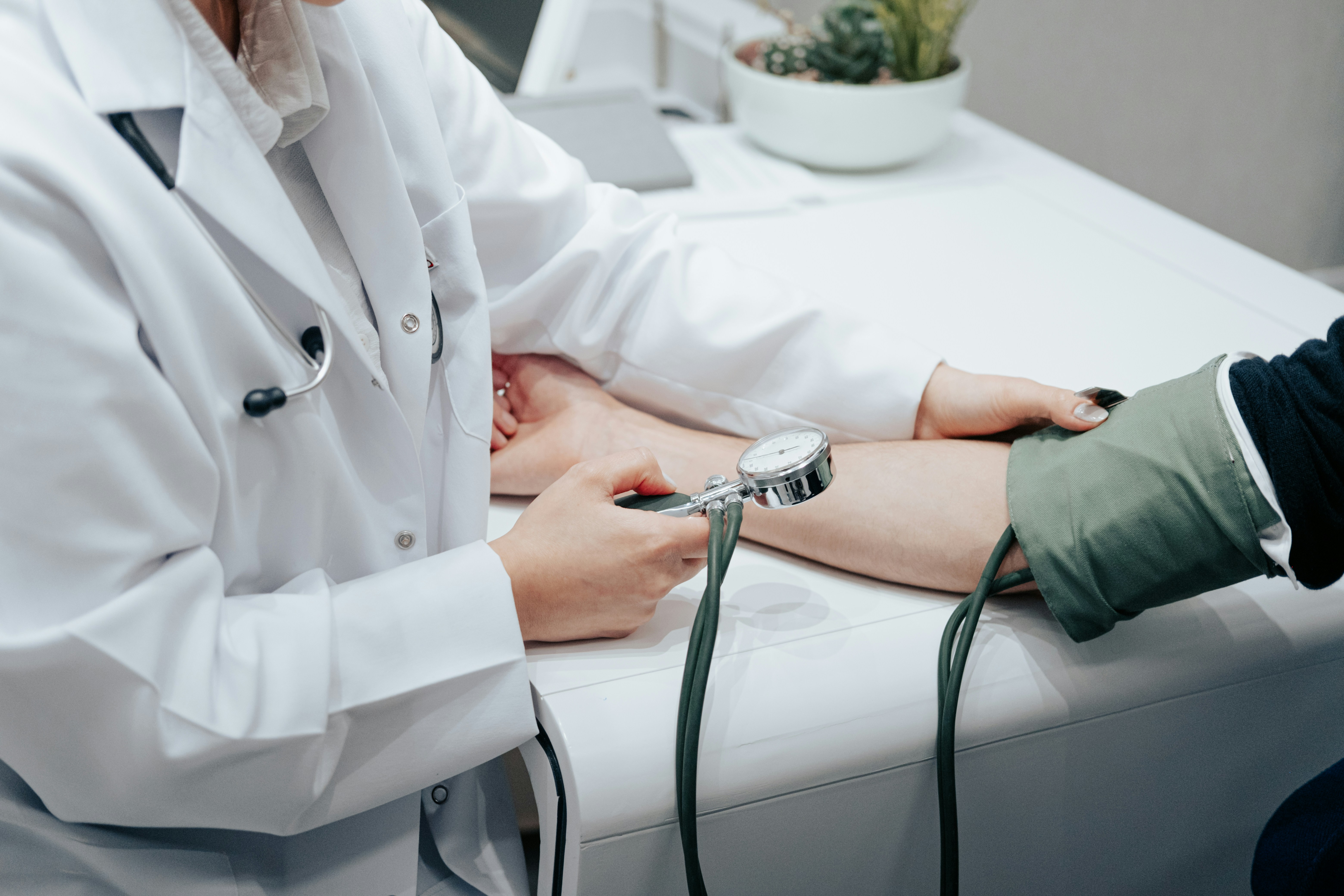
This question is one of the most common. Many people fear that they will undergo an unpleasant or painful examination. In reality, a preventive check-up is simple and usually takes no more than twenty minutes.
The doctor focuses mainly on:
- personal and family history,
- current health status,
- blood pressure,
- body weight and height,
- basic physical examination,
- evaluation of risk factors.
A preventive check-up may also include laboratory blood and urine tests focused, for example, on cholesterol or blood sugar levels. In patients with family burden, suspicious symptoms or findings during clinical examination, the doctor may also recommend a thyroid examination. However, this is not a standard screening examination performed in the entire population.
In older men, prevention may also include the early prostate cancer detection program. This is based primarily on a PSA blood test and possible further examination according to the results. The aim is to detect prostate cancer at a time when it is still highly treatable.
A healthy lifestyle as prevention of many diseases
Although modern medicine offers increasingly advanced diagnostics and treatment, we often have the greatest influence on our health ourselves. Regular movement, a quality diet, enough sleep and limiting risky habits are the basic pillars of a healthy lifestyle.
At least 150 minutes of physical activity per week is recommended. It does not have to be an intense athletic performance. Regular walking, cycling, swimming or hiking are also meaningful.
Diet is equally important. Most expert recommendations agree on sufficient intake of vegetables, fruit, whole grain products, legumes and quality protein sources. Conversely, it is advisable to limit excessive consumption of ultra-processed foods, sweetened drinks and alcohol.
Sleep and stress management also play a major role. Long-term stress, lack of sleep and chronic fatigue have a proven impact on the development of many lifestyle diseases.
What is prevention against cancer and cardiovascular diseases?
Cancer and heart and vascular diseases have long been among the most common causes of death in the Czech Republic. At the same time, these are groups of diseases whose risk can be significantly influenced.
Cancer prevention is based primarily on not smoking, maintaining a healthy body weight, regular movement, limiting alcohol and participation in screening programs. Protection against excessive UV radiation and certain vaccinations, such as against HPV, also play an important role. In the oncology clinic, I regularly meet patients whose tumor was detected accidentally during a preventive examination. In these cases, treatment is usually significantly simpler and the chances of complete recovery are substantially higher. That is why I consider cancer prevention one of the most important areas of modern medicine.
The same applies to cardiovascular diseases. Regular checks of blood pressure, cholesterol and blood sugar levels can detect risk factors before a heart attack or stroke occurs.
Conclusion
Prevention is not about searching for diseases at any cost. It is about giving yourself the chance to detect a problem at a time when it can still be solved simply. In the oncology clinic, I regularly meet patients whose tumor was detected accidentally during a preventive examination. In these people, treatment is less burdensome and the chance of long-term recovery is significantly higher. On the other hand, I also see patients who postponed preventive care for years and come only when symptoms of advanced disease appear. A regular preventive check-up, participation in screening programs and a healthy lifestyle do not guarantee that a person will never fall ill. However, they significantly increase the likelihood that we will detect any possible problem in time. And that is the main goal of modern preventive health care.
MUDr. Martin Palička